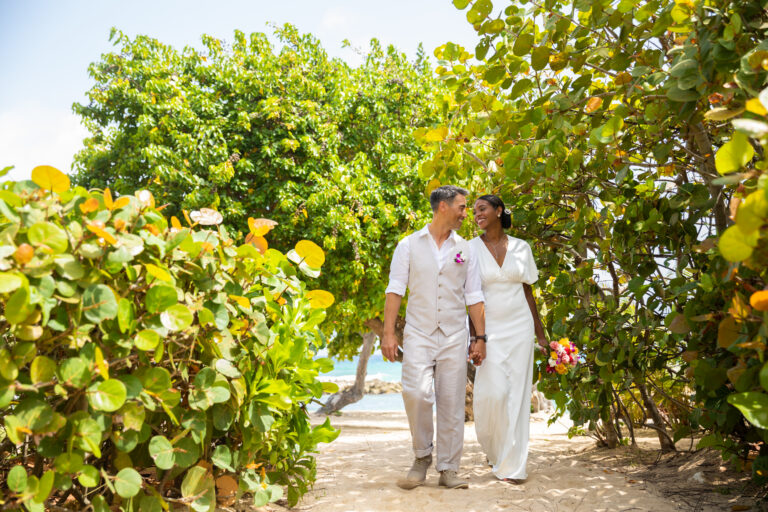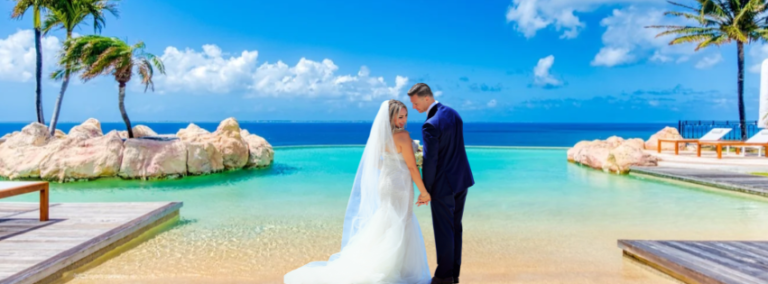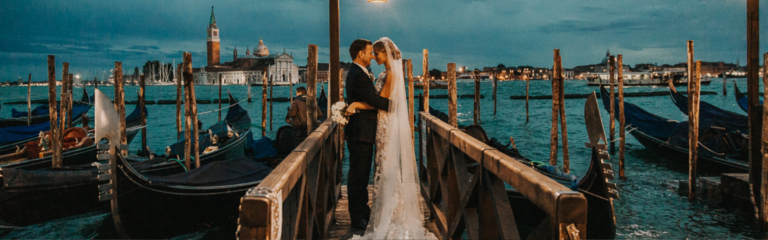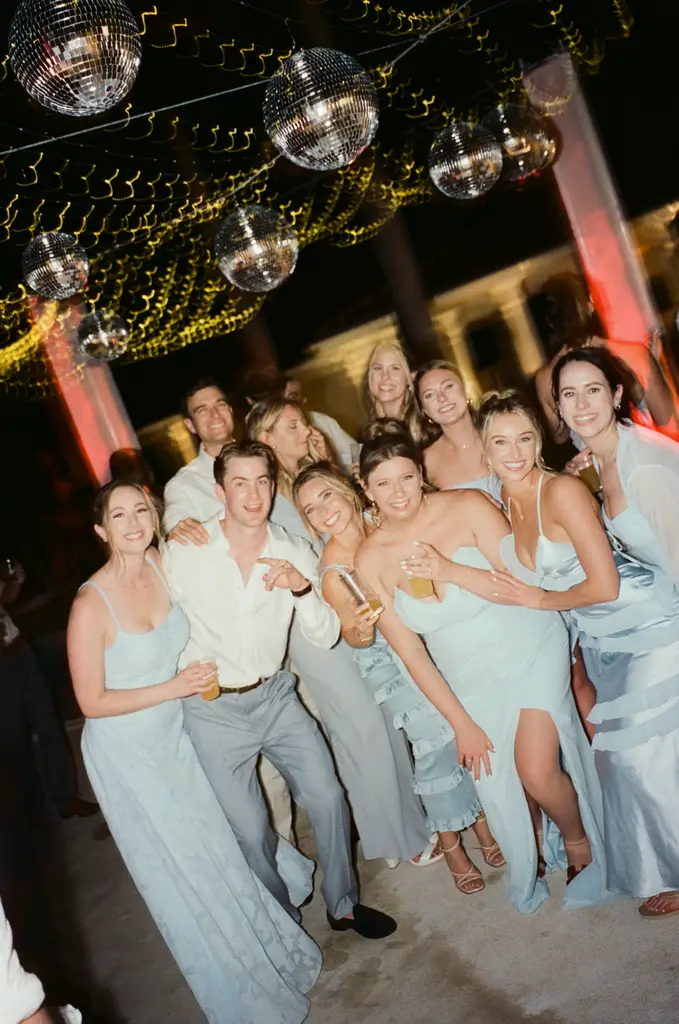
A well-paced multi-day destination wedding itinerary does more than tell guests where to be. It creates the feeling that everyone has stepped out of ordinary life together. There is time for the first cold drink after a long flight, a proper catch-up by the pool, and the dinner that goes on longer than planned because nobody is checking the time.
The instinct is often to fill every hour. After all, people have traveled far, and you want the trip to feel worthwhile. But a destination wedding is not improved by treating your favorite people like a conference delegation. The most memorable weekends balance a few intentional gatherings with generous stretches of unscheduled time. Guests need room to arrive, adjust, explore, nap, and settle into the place before the wedding day asks for their full attention.
Start With the Feeling, Not the Schedule
Before choosing activities, decide what you want the weekend to feel like. A long-table dinner at an olive grove in Italy has a different natural rhythm from a barefoot welcome party in St. Martin or a late-afternoon rooftop gathering in Mexico City before guests continue on to the coast. The destination should do some of the work for you.
Consider the makeup of your group, too. A wedding with 35 close friends who regularly travel together can support a livelier boat day than one with grandparents, young children, and guests arriving from three time zones. Neither is better. It simply changes what hospitality looks like.
We usually recommend building the itinerary around two or three anchor moments beyond the wedding itself: a welcome gathering, one optional shared experience, and a relaxed farewell. Everything else should have a purpose. If an event exists only because it appears on someone else’s wedding weekend itinerary, it may be the first thing to remove.
A Four-Day Destination Wedding Itinerary
For many celebrations, four days offers the right amount of immersion without making travel feel demanding. This structure works particularly well for a Caribbean villa wedding, a resort buyout in Mexico, or a countryside celebration in Italy. It can be condensed to three days for a more intimate gathering, or extended when guests are using the wedding as the center of a longer holiday.
Day One: Arrival and a Soft Landing
Arrival day should be deliberately light. Flights run late, luggage occasionally chooses a different adventure, and guests may need more time than expected to reach a villa, hotel, or ferry terminal. Do not plan anything that requires everyone to be dressed, photographed, and punctual by 5:00 p.m. That is a recipe for unnecessary tension.
A thoughtful welcome begins before the first event. Clear arrival instructions, a local contact, transportation guidance, and a note about what to expect on the roads or at the property make an enormous difference. In St. Martin, for example, the route from the airport can be part of the experience, but it is still helpful for guests to know whether they should expect steep hills, a gatehouse, or a driver waiting with a sign.
That evening, host an open-house welcome gathering rather than a formal dinner. Think cocktails and small plates at the villa, a beach bar reserved for your group, or a terrace supper where people can come as they are. The goal is not to entertain guests into exhaustion. It is to let them exhale and begin recognizing one another as part of the same weekend.
Day Two: A Shared Experience, With an Exit Ramp
The day before the wedding is often ideal for one optional group experience. A catamaran day in warm turquoise waters, a market and cooking experience, a wine tasting, or simply a beautiful beach club lunch can give guests an easy way to connect before the more formal celebration.
Optional is the operative word. Even the most beloved boat day has a guest who dislikes boats, gets motion sick, has a toddler who needs a nap, or would rather spend the morning reading beside a quiet pool. Provide a clear plan for those joining, then make it equally clear that declining requires no apology. Good hosting leaves space for people to enjoy themselves in their own way.
Keep the afternoon free. Couples need that time more than they think they will. There may be a final venue walk-through, a private exchange of notes, family arriving late, or simply a desire to be still before the wedding. Guests benefit from it as well, especially in heat or after a day on the water.
The rehearsal dinner, if you are having one, should feel distinct from the wedding rather than like a smaller version of it. A restaurant known for one exceptional local dish, a private courtyard with live music, or a candlelit supper under the trees gives the evening its own character. This is a wonderful place for toasts that are personal and a little less polished, and for the two families to become something more than names on a seating chart.
Day Three: Let the Wedding Be the Main Event
The wedding day deserves breathing room on both sides. Avoid a scheduled breakfast, mandatory group photos before anyone is ready, or an afternoon activity that makes people rush back to change. If guests want to gather naturally for coffee or a swim, lovely. But the official itinerary should be quiet until the celebration begins.
A well-run wedding day is largely invisible to guests. Transportation arrives when it should. Someone knows which aunt needs a golf cart. A sudden shower has been anticipated, not merely admired from afar. Vendors have received final timing, access, power, and setup details before the day begins. This is where destination experience matters: beautiful settings often come with narrow roads, changing weather, local permitting, delivery windows, and staff who may be working across languages.
For the couple, build in protected time. Have lunch. Drink water. Set aside ten minutes together before the ceremony if a first look does not suit you, or after the ceremony if you would rather enter cocktail hour as a married couple before joining everyone else. The schedule should support the feeling of the day, not just its production needs.
Day Four: Farewell Without a Forced Finale
A farewell brunch is a gentle way to gather people once more, especially when departures are staggered. Keep it close to accommodations, serve food guests actually want after a wedding, and allow a broad attendance window. Fresh fruit, strong coffee, eggs, pastries, and a few lingering stories tend to be enough.
If most guests have evening flights, a casual beach afternoon or pool gathering can work beautifully. If half the group is leaving at dawn, do not force a formal brunch for the sake of tradition. A handwritten note, a departure gift with local character, or a simple message letting guests know how much their presence mattered can carry the same warmth.
The Details That Make Guests Feel Looked After
An itinerary can look lovely on paper and still fail guests if the practical information is vague. International celebrations ask more of people. They may be navigating an unfamiliar airport, local driving customs, a new currency, language differences, and weather that requires a wardrobe adjustment.
Give guests enough information early enough to make good decisions. That includes suggested flight windows, realistic transfer times, accommodation options at different price points, attire guidance that acknowledges terrain and temperature, and a simple explanation of how they will get to each event. If heels are a poor choice for a stone path, say so. If a boat transfer depends on the weather, say that too. Your guests will appreciate candor far more than a surprise.
Transportation deserves particular attention. One coach may be right for a resort wedding; a fleet of smaller vehicles may be necessary for a hillside villa with limited access. In some destinations, it is better to ask guests not to rent cars at all. The right answer depends on the property, guest count, local infrastructure, and how late you expect the evening to run.
Protect the Moments You Cannot Recreate
A multi-day celebration has more moving parts than a single evening, but it should not feel overproduced. The most successful itineraries leave room for accidental pleasures: cousins discovering they both love snorkeling, a grandfather lingering over espresso, friends taking one more swim before dinner.
Plan the meaningful gatherings with precision. Then let the destination, and the people you chose, do the rest. That is where a wedding weekend begins to feel less like an event and more like a memory people will carry home.
Planning a destination wedding that feels like more than just a wedding day?
At The Destination Vows, we bring together the destination, the details, and the experiences that make a celebration feel personal from arrival to farewell. Whether you’re imagining a Caribbean escape, a celebration in Mexico, or a wedding in Italy, we’ll help you create a weekend your guests will be glad they traveled for.