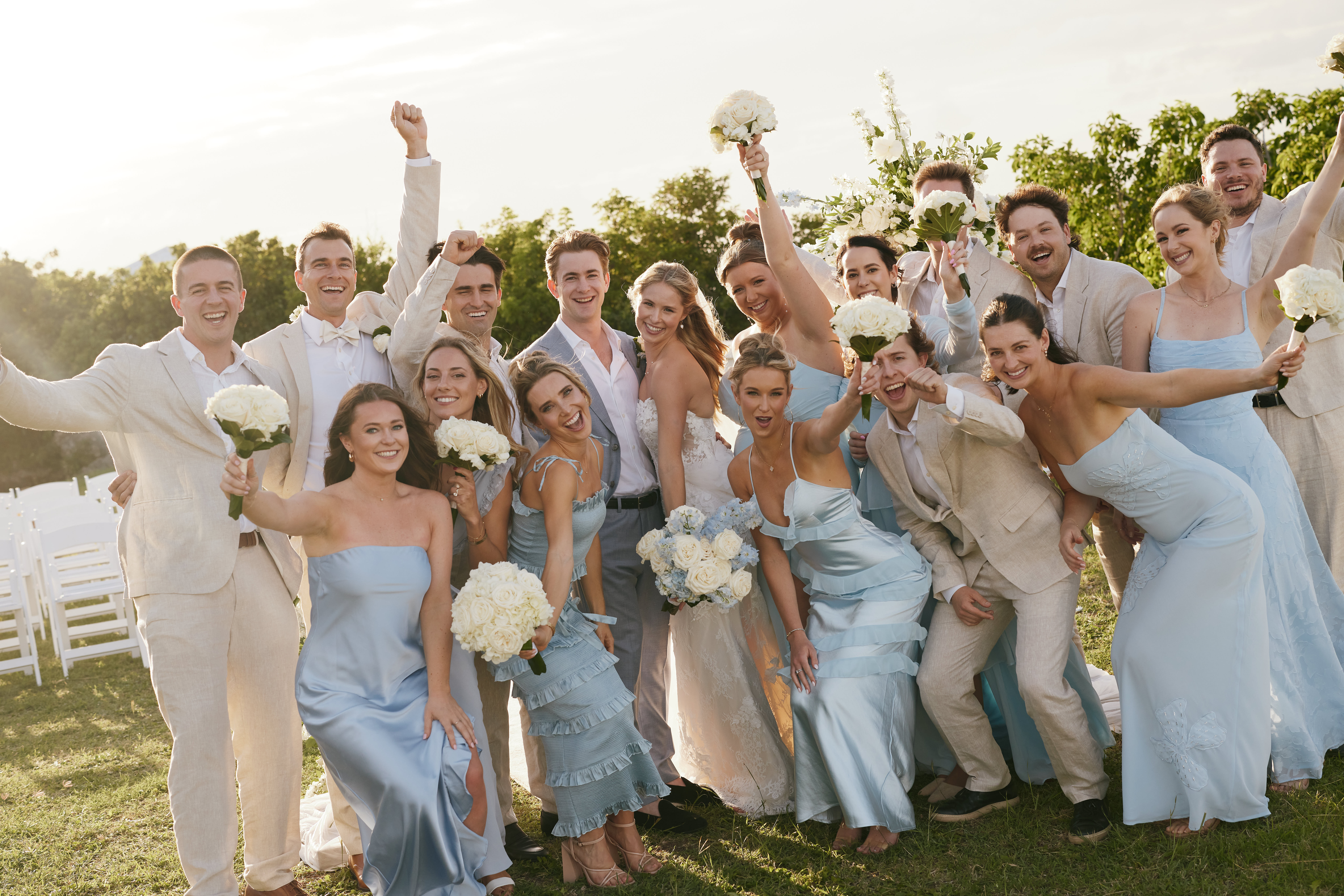
A destination wedding begins long before the ceremony. It begins with a decision about how you want to gather: perhaps barefoot cocktails as the Caribbean light softens, a long dinner in a Mexican courtyard, or candlelight drifting through a palazzo on the Grand Canal. Learning how to plan a destination wedding means protecting that feeling while making hundreds of practical decisions with care.
The best celebrations do not feel like a wedding moved to a prettier location. They feel rooted in the place, generously hosted, and comfortably paced for the people who traveled to be there. That requires a clear point of view, reliable local knowledge, and enough time to make thoughtful choices.
Start With the Experience, Not the Pinterest Board
Before comparing venues, decide what the weekend should feel like. Do you imagine a lively group that will happily spend a day on a boat, or a quieter gathering where long lunches and unhurried beach mornings matter more? Is privacy essential? Do you want a destination where guests can walk to restaurants, or one where a private estate becomes the center of the weekend?
These answers shape nearly everything that follows: the destination, venue style, guest count, transportation plan, budget, and even the right time of year. A dramatic cliffside ceremony may be gorgeous, but it is not automatically the best choice for grandparents with mobility concerns or a group arriving from several time zones.
Be honest about your guest list early. A destination wedding naturally asks more of guests in time and travel expense, so intimacy is often a strength rather than a compromise. Forty people at a villa in St. Martin can create a profoundly different atmosphere than 150 guests at a resort. Neither is inherently better. The right choice is the one that gives your people room to genuinely be together.
Choose a Destination That Can Host Your Actual Weekend
The destination should offer more than a beautiful ceremony backdrop. It needs to support the full rhythm of your celebration, including arrivals, accommodations, welcome events, transportation, weather contingencies, and the small pockets of free time that make a wedding weekend feel relaxed.
Start by considering travel access. A destination with direct flights from several major US cities can make a meaningful difference, especially for a multigenerational group. Then look at the journey after landing. A beautiful property that requires a long transfer may be worthwhile for a very private celebration, but it changes how you plan arrival day and guest transportation.
Seasonality deserves equal attention. In the Caribbean and Mexico, weather patterns, heat, and hurricane season should inform both your date and your backup plans. In Italy, summer heat, seasonal crowds, and local holidays can affect availability and guest comfort. The question is not whether a destination is beautiful in a given month. It is whether it can deliver the experience you want without asking everyone to endure avoidable discomfort.
Finally, consider local character. A place should give something back to the weekend: warm turquoise waters, extraordinary food, a sense of history, a village worth wandering, or a landscape your guests will remember years later. That is what keeps the celebration from feeling interchangeable.
Build the Budget Around Hospitality
When couples first plan a destination wedding, they often focus on the wedding-day line items. The more revealing question is how you want guests to be cared for across several days.
Your budget may need to include welcome drinks, welcome bags, group transportation, a rehearsal dinner or welcome dinner, a farewell brunch, and perhaps one optional shared experience. You do not need to schedule every waking hour, nor should you. A little unscripted time is a gift. But clear arrivals, thoughtful recommendations, and a few anchor moments make guests feel considered rather than left to figure things out alone.
Venue costs are only one part of the picture. Factor in design and rentals, catering and bar service, music, photography and videography, beauty teams, permits, taxes, gratuities, planner travel, production needs, and weather contingencies. International events also bring currency fluctuations, bank-transfer requirements, and contract terms that may be unfamiliar.
This is where an experienced planner earns their keep. The least expensive initial quote is not always the most economical choice once service charges, delivery fees, taxes, and local requirements are added. A realistic budget is not unromantic. It is what lets you make decisions confidently and preserve the details that matter most.
How to Plan a Destination Wedding Timeline
For a destination wedding, begin 12 to 18 months ahead when possible, particularly if you are considering a sought-after venue, a holiday weekend, or a date in peak season. A shorter timeline can work, but it asks for flexibility. You may need to release a particular date, property, or vendor in favor of what is available and excellent.
First: Secure the Foundation
Your first planning phase should establish the guest count range, working budget, destination, date window, and venue. These decisions are connected. A private villa may set a natural guest cap, while a resort offers more rooms but may feel less private. A historic Italian property may require an earlier curfew, while a Caribbean estate could give you a more relaxed evening format.
Once the venue is selected, reserve accommodations or create a thoughtful room-block strategy. Guests should receive save-the-dates early, ideally as soon as the date and destination are confirmed. They need time to request vacation days, find flights, arrange childcare, and make the trip feel possible.
Then: Curate the Team and the Weekend
Select vendors who understand the destination and can work well together. Local relationships matter, but so does fit. Your photographer should understand the light and pace you love. Your florist and design team should know which materials travel well, what grows locally, and how to create beauty without forcing a New York ballroom concept into a Caribbean landscape.
At the same time, shape the weekend with a light hand. A welcome dinner sets the tone beautifully. A boat day may be perfect for one group and entirely unnecessary for another. The farewell brunch often becomes one of the loveliest moments, when everyone is sun-warmed, slightly tired, and lingering over one more coffee before departing.
Final Months: Communicate Like a Gracious Host
In the final three to four months, provide guests with what they actually need: airport guidance, accommodation details, transportation instructions, dress guidance that respects the climate, event times, and useful local recommendations. A well-made wedding website or guest communication guide can answer questions before they become a stream of texts sent to the couple.
Avoid overloading people with information too early. Send save-the-dates first, then travel and room details, then a clear final itinerary. The goal is not to manage every guest’s vacation. It is to make participation easy and pleasant.
Design for the Place You Chose
The most memorable destination wedding design begins with observation. Notice the architecture, the vegetation, the plates at a local restaurant, the color of the sea at dusk, and the sound of the place after dinner. Let those details inform the celebration.
This does not mean every wedding in Mexico needs bougainvillea or every Italian wedding needs lemon branches. It means the design should feel at home where it lands. A refined tablescape, beautiful linens, excellent lighting, and flowers chosen for their texture and season can say far more than décor that has been flown in merely to announce itself.
The same principle applies to food and music. Give guests a taste of where they are, while respecting what makes them comfortable. A local ingredient at cocktail hour, a regional wine, or a musician whose sound suits the setting can create a sense of place without turning the evening into a theme party.
Have a Plan for the Unphotographed Details
The details guests remember are often logistical ones: whether someone met them at the airport, whether the ceremony had water available in the heat, whether transportation appeared when promised, whether a sudden rain shower had a credible plan behind it.
Ask direct questions about backup spaces, power, sound restrictions, vendor access, rain plans, ferry schedules, road conditions, and late-night transportation. If a venue says it has a backup plan, ask to see it. A covered terrace is different from a dim conference room, and everyone deserves to know the difference before signing.
You should also understand the legal requirements of marrying abroad. Some couples choose to complete the legal paperwork at home and hold a symbolic ceremony at the destination, which can reduce complexity. Others value a legally binding ceremony in the country itself. There is no universal answer, but there should be no last-minute surprises.
A destination wedding asks you to hold both the romance and the reality. With a considered destination, a guest experience built with genuine generosity, and a team that knows the ground beneath its feet, the planning becomes less about managing an event abroad and more about making space for the people you love to be fully present.
The finest weekends leave room for that unexpected extra hour at dinner, one last swim before the farewell brunch, and the quiet moment when you realize everyone came a long way to celebrate something that could only belong to the two of you.
Planning a Destination Wedding?
Every celebration starts with a conversation. Tell us where you’re considering, who you’re bringing, and how you want the experience to feel. We’ll help you explore what is possible—and what will make the celebration truly yours.