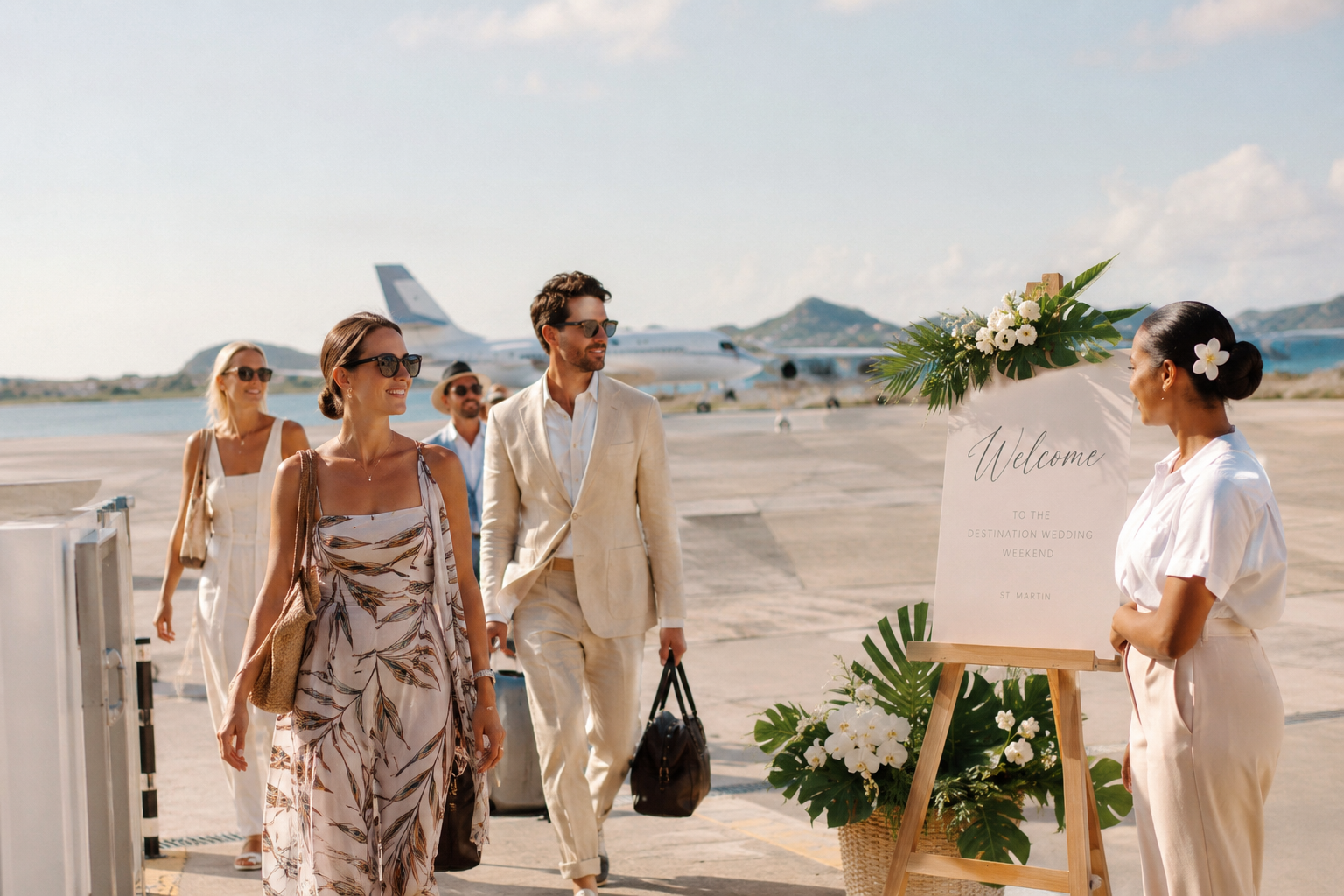
The moment that reveals whether a destination wedding has been thoughtfully planned is rarely the ceremony. It is the airport arrival when guests know exactly where to go, the welcome drink waiting after a long flight, and the dinner that goes on longer than planned because no one is ready to leave the table. A luxury destination wedding planner holds those moments together while managing the many practical details behind them.
For couples planning from the United States, a wedding in St. Martin, Mexico, Italy, or elsewhere in the Caribbean is not simply a beautiful event in a beautiful place. It is an international production, a hosting commitment, and often the only time their favorite people will gather this way. That is where an experienced destination wedding planner makes a real difference.
What a Luxury Destination Wedding Planner Actually Does
A destination planner is not there merely to select flowers or build a timeline. Those things matter, of course, but they are only parts of a much larger picture. The work begins with understanding how a couple wants the weekend to feel: intimate and unhurried, lively and late-night, quietly elegant, or full of local texture and discovery.
From there, the planner translates that feeling into decisions guests can actually experience. A cliffside ceremony may be extraordinary at sunset, but it needs a realistic transportation plan, shade for older relatives, a weather alternative that does not feel like a consolation prize, and enough time for everyone to arrive without beginning the evening flustered. A beautiful idea is only as good as its execution.
This is especially true across borders. Contracts may follow different local customs. Vendor communication can happen across languages and time zones. Import rules, power requirements, ferry schedules, road access, curfews, and seasonal weather patterns can shape an event just as much as a color palette. A capable planner anticipates these conditions early, when there is still room to make wise choices.
The goal is not to make a wedding look overly produced. It is to give the celebration a sense of ease, even when a great deal of coordination is happening quietly in the background.
The Destination Comes Before the Decor
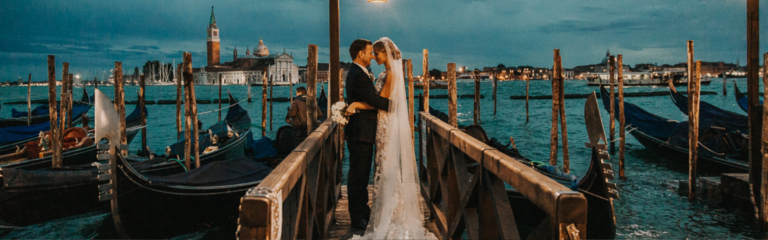
Many couples begin with a visual reference: lemon trees, warm turquoise water, a palazzo on the Grand Canal, whitewashed stone, or a dinner beneath string lights. Those references are useful, but a destination should be chosen for more than a photograph.
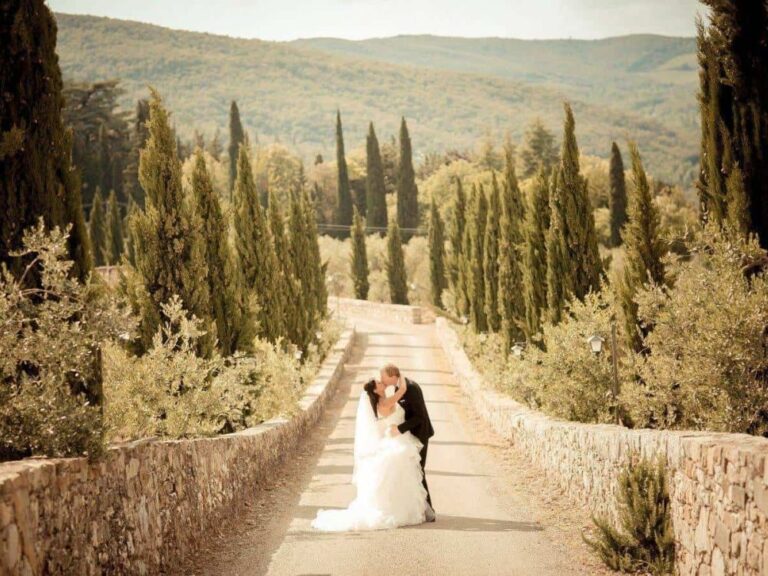
Consider the nature of the gathering. A group that wants to spend afternoons on the water may be happiest in the Caribbean. Couples who want layered meals, architecture, and a sense of old-world ritual may feel drawn to Italy. Mexico can offer exceptional food, varied landscapes, and venues that support an entire weekend in one setting. Within each region, the differences are substantial. One island may be easy for guests to reach but limited in large-scale rentals. A remote coastal town may be wonderfully private, yet demand more patience from travelers.
There is no universally best destination. There is only the place that best supports the kind of time you want to share. A planner with genuine destination knowledge can be direct about what works, what requires compromise, and what sounds charming until 80 guests are trying to get there in formalwear.
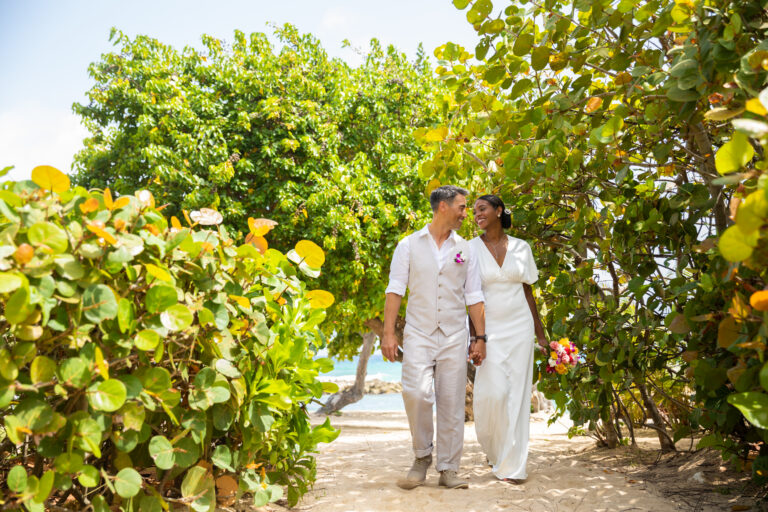
St. Martin, for example, offers an unusual balance of Caribbean beauty, excellent dining, varied accommodations, and a European-inflected ease. It can be especially compelling for couples who want a refined celebration without placing guests in a sealed-off resort environment. But it still requires local knowledge. Roads are small, properties have their own limitations, and the best plan accounts for island rhythm rather than fighting it.
Design Is More Than a Look
Refined wedding design is not the accumulation of expensive things. It is the discipline of choosing what belongs together and leaving the rest alone.
That might mean allowing the sea, stone, or historic architecture to do much of the visual work. It might mean selecting table linens that soften a courtyard rather than competing with it, or building a ceremony around the hour when the light is most forgiving. It includes florals, stationery, tabletop, lighting, furniture, music, and production, but it also includes pacing. The visual experience changes when guests move from a sunlit aperitivo to candlelight, or from a formal dinner to a dance floor that feels inevitable rather than abruptly announced.
A planner should protect the relationship between the setting and the celebration. There are times when a dramatic installation is appropriate, and times when it will make a perfect terrace feel crowded. There are also times when an elaborate menu is worth the effort, and times when the better choice is a simple local meal served generously at long tables. Good taste is not about restraint for its own sake. It is about knowing where to put the emphasis.
Guest Experience Is the Real Hosting Work
At home, guests can drive themselves, choose from familiar hotels, and find their own way around town. Abroad, every small uncertainty becomes part of the experience. This is why guest management deserves the same care as the ceremony.
A well-considered plan addresses accommodations at different comfort levels, airport transfers, welcome communications, transportation between events, dietary needs, local recommendations, and practical questions before they become texts to the couple. It also recognizes that people travel differently. Some guests want a full itinerary; others want one excellent dinner reservation and a quiet beach day.
The strongest destination wedding weekends offer both structure and freedom. A welcome gathering gives everyone a warm beginning. A boat day, cooking experience, private dinner, or relaxed afternoon can create connection before the wedding itself. A farewell brunch lets the weekend land gently instead of ending with a rushed wave in the hotel lobby.
Not every celebration needs every event. In fact, over-scheduling is one of the quickest ways to make a beautiful destination feel like a conference. The right planner helps couples choose the moments that will deepen the gathering and lets the rest of the weekend breathe.
Why Local Relationships Matter
A venue list is not the same as local access. The value of an experienced planner often appears in the conversations that happen before a contract is signed: whether a caterer can truly execute for the guest count, which photographer understands the light in a particular location, who responds calmly when weather changes, and what a property manager means when they say an event is possible.
Local relationships do not mean pushing the same vendors on every couple. They mean knowing who is right for a particular event, how teams work together, and where a plan needs additional support. A private villa wedding, for instance, may require a different level of infrastructure than a hotel celebration. Power, kitchens, staffing, rentals, parking, noise considerations, and late-night logistics all deserve attention well before guests receive an invitation.
For private-estate celebrations in St. Martin, The Destination Vows works alongside its sister brand, Anniboni, whose focus is private villa celebrations, estate experiences, and exceptional hospitality ( www.Anniboni.com ). It is a useful distinction: the estate itself deserves specialist attention, while the wedding weekend requires a planning team that can hold the full guest and event experience.
A Limited Client List Changes the Experience
Not every planner works the same way. Some businesses are built around high volume, fixed packages, and a narrow set of venue options. That model can suit couples seeking speed and predictability. It is less fitting for those who want decisions to be shaped around their people, their priorities, and the realities of a specific place.
A boutique planner who takes on fewer celebrations can stay close to the work. That means stronger continuity from early destination conversations through the final event, more thoughtful vendor curation, and a team that knows why a particular detail matters to you. It also means the planner can say no when an idea is not serving the experience. An honest recommendation is far more useful than polite agreement.
When choosing a planner, ask how many weddings they manage each year, who will be present during the weekend, and how they approach destination-specific challenges. Ask how they handle guest communications, weather plans, vendor contracts, and budget decisions. The answers should feel clear, practical, and personal, not rehearsed.
The right planner does not take over the celebration. They give you the space to be in it. When the weekend arrives, your job should be to greet the people you love, feel the warmth of the place you chose, and stay at the table a little longer.
Every celebration starts with a conversation. Tell us where you’re considering, who you’re bringing, and how you want the experience to feel. We’ll help you explore what’s possible and determine whether we’re the right fit to bring it all together.